Villa in Uluwatu and the Bukit
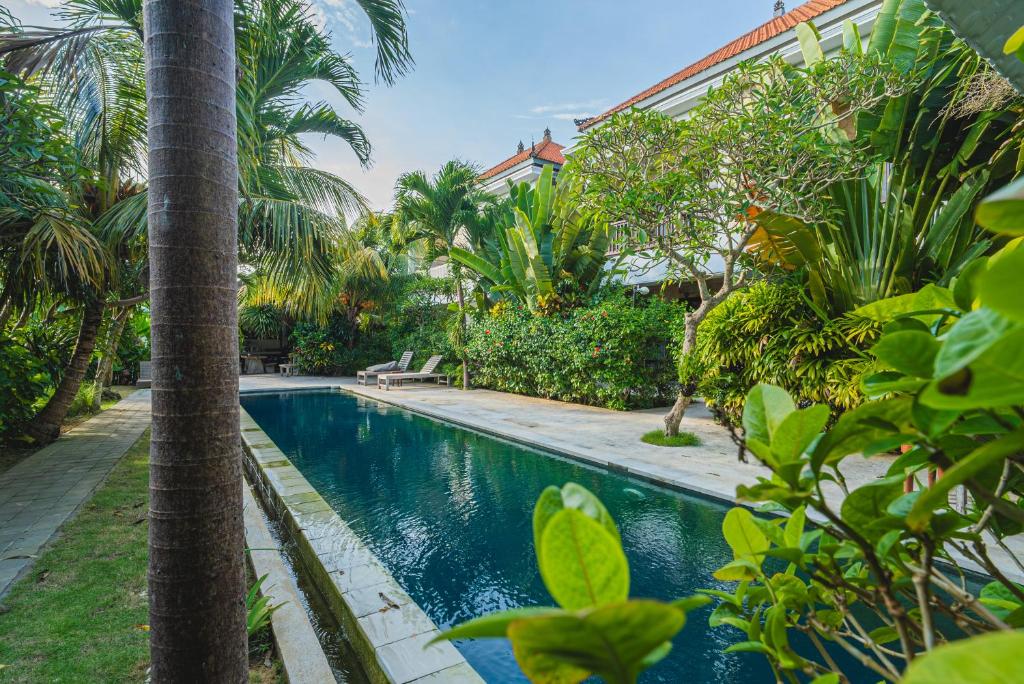
Airship Bali Villa
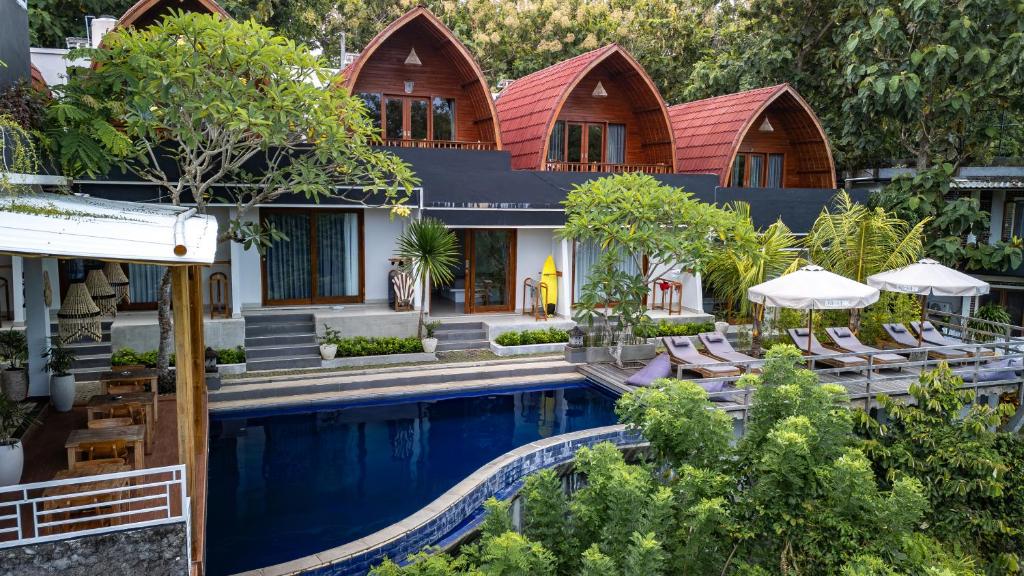
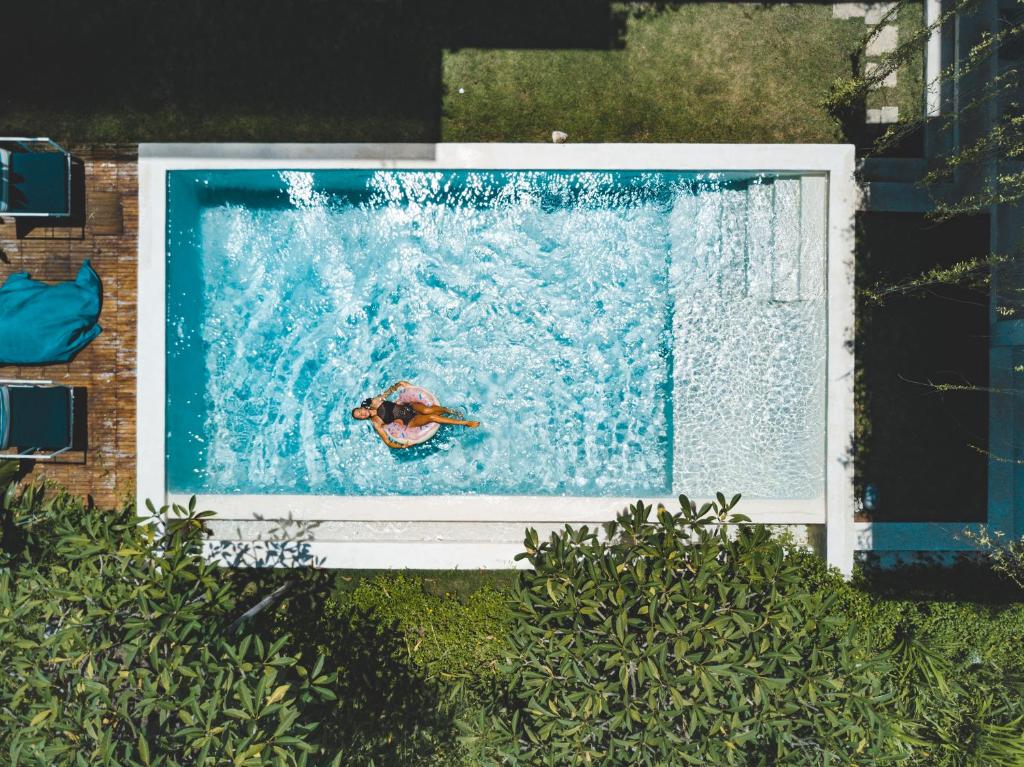
Glass-domed villas with private pools above the Bukit coast
See today's offersAll our places to stay in Bali are in the south of the island, on and around the Bukit Peninsula, the limestone headland that hangs below the airport. It's a part of Bali known for dramatic sea cliffs, world-famous surf breaks and some of the island's best sunsets.
The three main areas feel quite different. Uluwatu and the western Bukit are about surfing, cliff-top cafés and small beaches reached by steps; Jimbaran is a calm bay famous for seafood dinners on the sand; Nusa Dua is a manicured resort enclave with calm, family-friendly beaches. All three are within roughly 30 to 60 minutes of the airport, depending on traffic.
33 hotels
Villa in Uluwatu and the Bukit
Glass-domed villas with private pools above the Bukit coast
See today's offersHotel in Uluwatu and the Bukit
Walk to the cliff-top temple; ride to the surf
See today's offersHotel in Uluwatu and the Bukit
Steps from Padang Padang's famous barrels
See today's offersVilla in Jimbaran
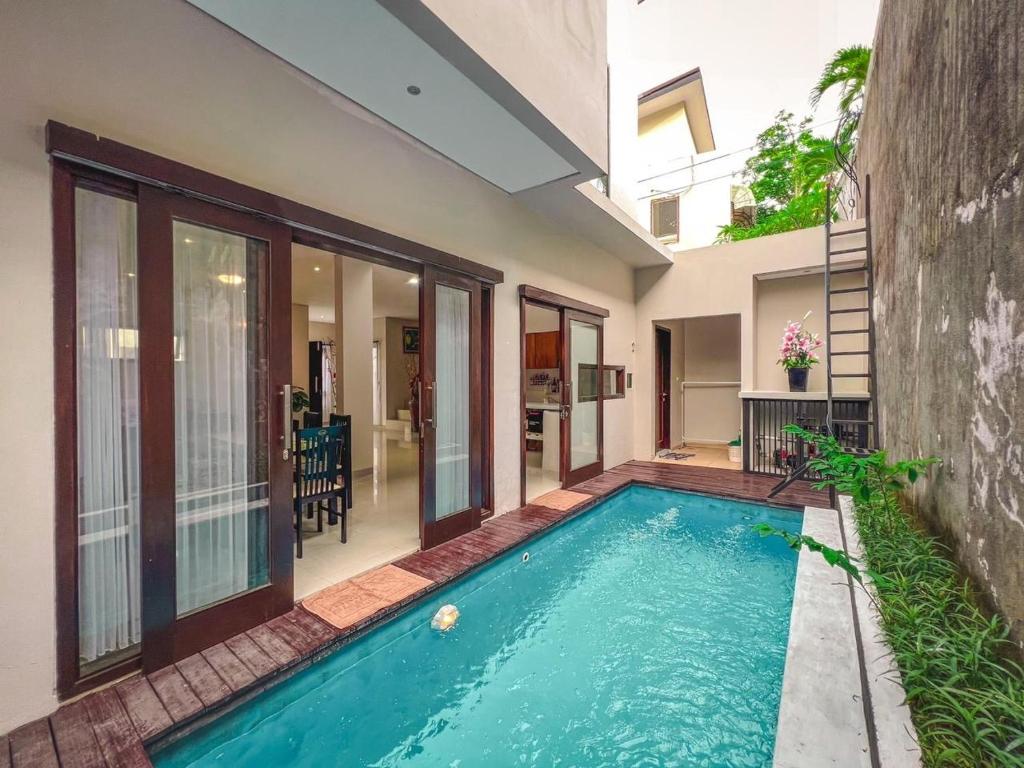
Private plunge-pool villas with Balinese details, in calm Jimbaran
See today's offersGuesthouse in Uluwatu and the Bukit
Five bungalow rooms and a pool, five minutes from Bingin's surf
See today's offersGuesthouse in Uluwatu and the Bukit
A quiet, adults-only base between Padang Padang and Thomas Beach
See today's offersHotel in Jimbaran
Teak-trimmed rooms, an infinity pool and massage, in quiet Jimbaran
See today's offersGuesthouse in Jimbaran
Kitchen rooms and a rooftop pool, a short ride from Jimbaran Bay
See today's offersVilla in Uluwatu and the Bukit
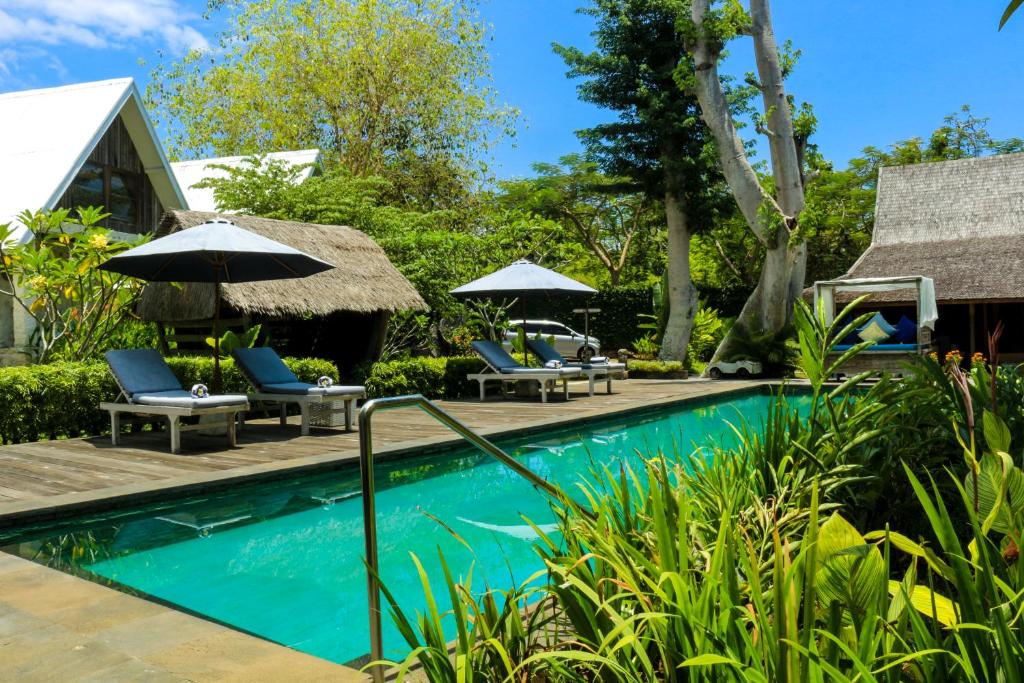
A garden pool and sunset terraces near the Uluwatu cliffs
See today's offersHostel in Uluwatu and the Bukit
A stylish, sociable hostel for exploring Bali's southern cliffs
See today's offersVilla in Nusa Dua and Tanjung Benoa
A whole three-bedroom villa with its own pool, for families and groups
See today's offersHotel in Jimbaran
A budget base in Jimbaran with a gym, a garden and the seafood beach nearby
See today's offersHotel in Uluwatu and the Bukit
Ocean views from the hill above Bingin's surf
See today's offersHotel in Uluwatu and the Bukit
Clean, minimalist design and a garden pool near the cliffs
See today's offersVilla in Jimbaran
Private pool villas with a spa, near Jimbaran Bay
See today's offersResort in Nusa Dua and Tanjung Benoa
Renovated suites and a pool, moments from Tanjung Benoa's beach
See today's offersHotel in Uluwatu and the Bukit
Balinese-style rooms with their own garden terraces, near Karma Beach
See today's offersHotel in Uluwatu and the Bukit
A sociable, green base in Uluwatu, with a pool and a lounge
See today's offersVilla in Uluwatu and the Bukit
Hand-crafted wooden Balinese houses, a pool and outdoor bathrooms
See today's offersVilla in Uluwatu and the Bukit
A freshly renovated villa with an infinity pool, close to the GWK statue
See today's offersHotel in Uluwatu and the Bukit
Sleek rooms a walk from Thomas Beach
See today's offersHotel in Nusa Dua and Tanjung Benoa
Spacious, good-value rooms a short walk from Sawangan Beach
See today's offersHotel in Uluwatu and the Bukit
Sun, surf and a pool, near the temple on the cliffs
See today's offersHotel in Jimbaran
A hillside village of rooms above Balangan
See today's offersHotel in Uluwatu and the Bukit
A gym, a pool and a sociable lounge for surfers who train
See today's offersHotel in Nusa Dua and Tanjung Benoa
Modern rooms close to Pandawa's cliffs and beaches
See today's offersHotel in Jimbaran
A modern base between the airport and the Bukit's beaches
See today's offersHotel in Uluwatu and the Bukit
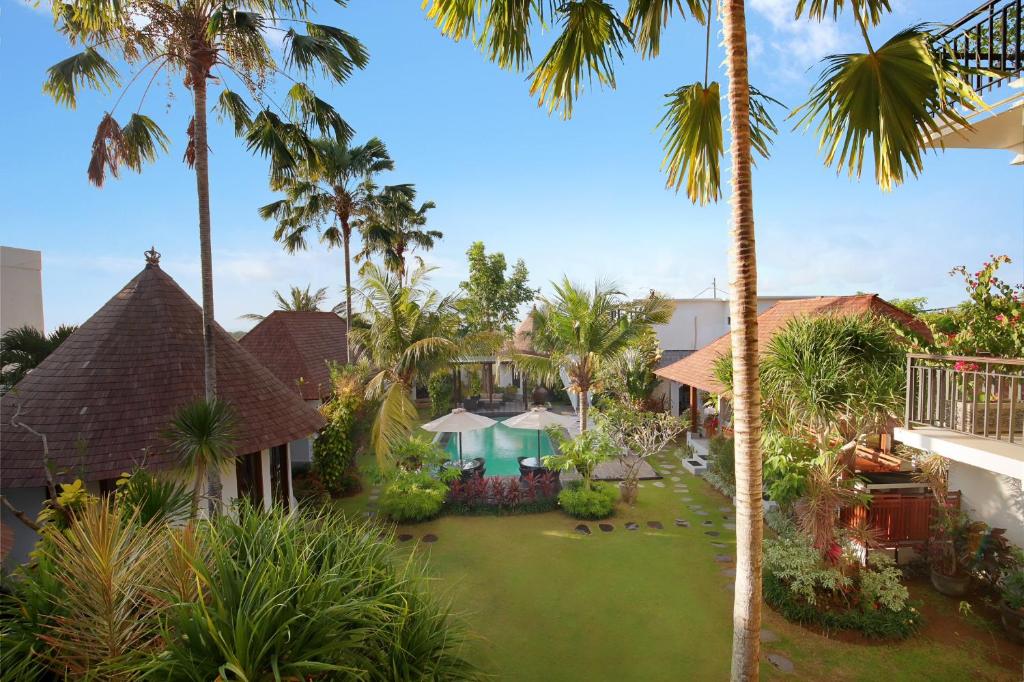
Big tropical gardens and quiet nights on the southern Bukit
See today's offersGuesthouse in Uluwatu and the Bukit
Family-run and a short walk from wild Nyang Nyang Beach
See today's offersGuesthouse in Uluwatu and the Bukit
A base for Uluwatu's beaches and surf
See today's offersVilla in Uluwatu and the Bukit
Rustic timber architecture a short stroll from Nyang Nyang Beach
See today's offersVilla in Jimbaran
One- to three-bedroom villas with an infinity pool
See today's offersNo hotels match all of those filters. Remove a feature or choose another area to see more.
"Our order" puts hotels we have fully written up first. Commission doesn't affect the order.
Uluwatu is for surfers and sunset-chasers, Jimbaran for a relaxed bay close to the airport, and Nusa Dua for calm water and resort comforts.
Best for surfing and cliff-top sunsets
The western and southern edge of the Bukit is a string of small beaches tucked below limestone cliffs: Bingin, Padang Padang, Thomas Beach, Nyang Nyang and more, many reached by long flights of steps. It's home to famous reef breaks for experienced surfers, the sea temple of Pura Luhur Uluwatu with its sunset Kecak dance, and a scattering of villas, guesthouses and cafés. Distances are bigger than they look, so most people get around by scooter or taxi.
Best for seafood dinners and easy airport runs
A wide, sheltered bay just south of the airport, with a long sandy beach and a fishing village feel. In the evening, tables are set up on the sand for grilled seafood at sunset. The Garuda Wisnu Kencana Cultural Park, with its giant statue, is on the hill behind, and Uluwatu's beaches are a short drive south.
Best for families and calm water
A planned resort area on the east side of the Bukit, with landscaped grounds, a beachfront promenade and gentle, reef-protected water that suits children. Tanjung Benoa, on the peninsula to the north, is the hub for water sports. It's quieter and more polished than the rest of south Bali, with a convention centre and golf course nearby.
Ngurah Rai International Airport is right at the neck of the Bukit, so south Bali is the closest part of the island to it. Traffic around the airport and the toll road can be heavy at peak times; allow extra time for flights.
There's little public transport, so most visitors use ride-hailing apps, metered taxis or a hired driver for the day. Scooters are popular in Uluwatu, but roads are busy and steep in places, so only ride if you're experienced and properly insured.
Fast boats leave from Sanur, north of Nusa Dua, for Nusa Penida and Nusa Lembongan, and from Padang Bai on the east coast for the Gili Islands and Lombok. Several of our places to stay are on those islands; see the Indonesia page.
Uluwatu's famous breaks are reef breaks best left to experienced surfers. Beginners usually take lessons at gentler spots elsewhere in the south, such as Kuta or parts of Jimbaran and Nusa Dua when conditions allow; local surf camps can advise.
Nusa Dua has the calmest water and the most resort facilities. Jimbaran is also relaxed, with a long, gentle beach.
Usually around 40 minutes to an hour by road, depending on traffic and where on the Bukit you're staying.
The drier months are usually from around April to October, which is also the main surf season on the Bukit's west coast. From about November to March there's more rain, usually in short, heavy bursts.