Hotel in Chalok Baan Kao and the south
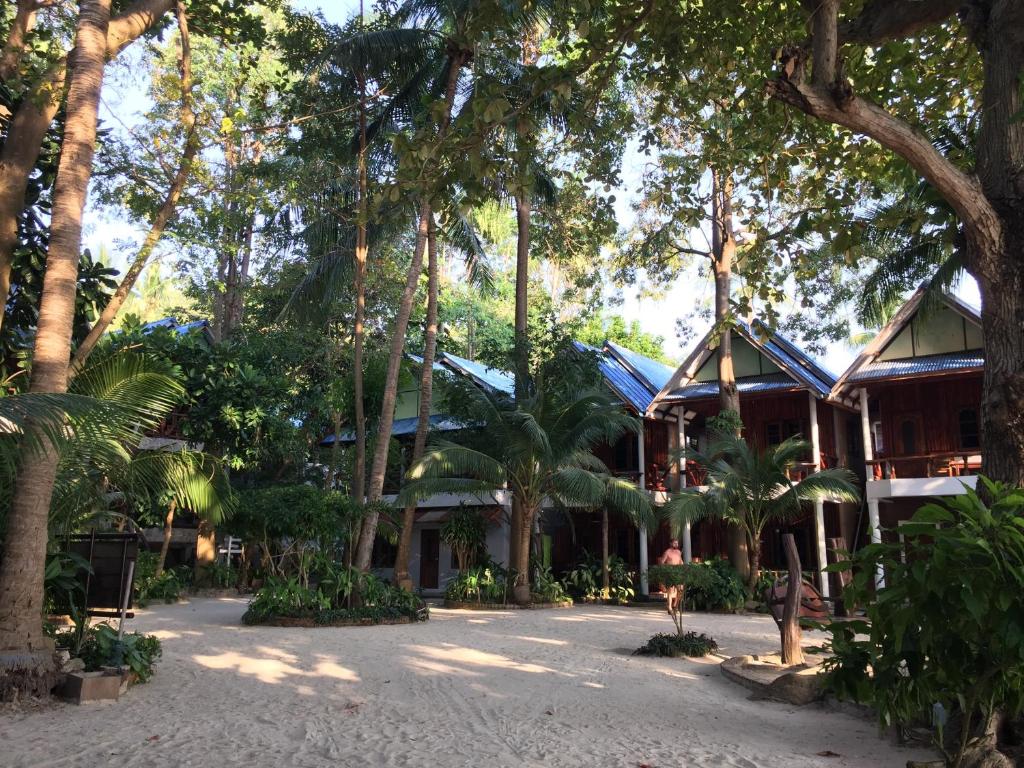
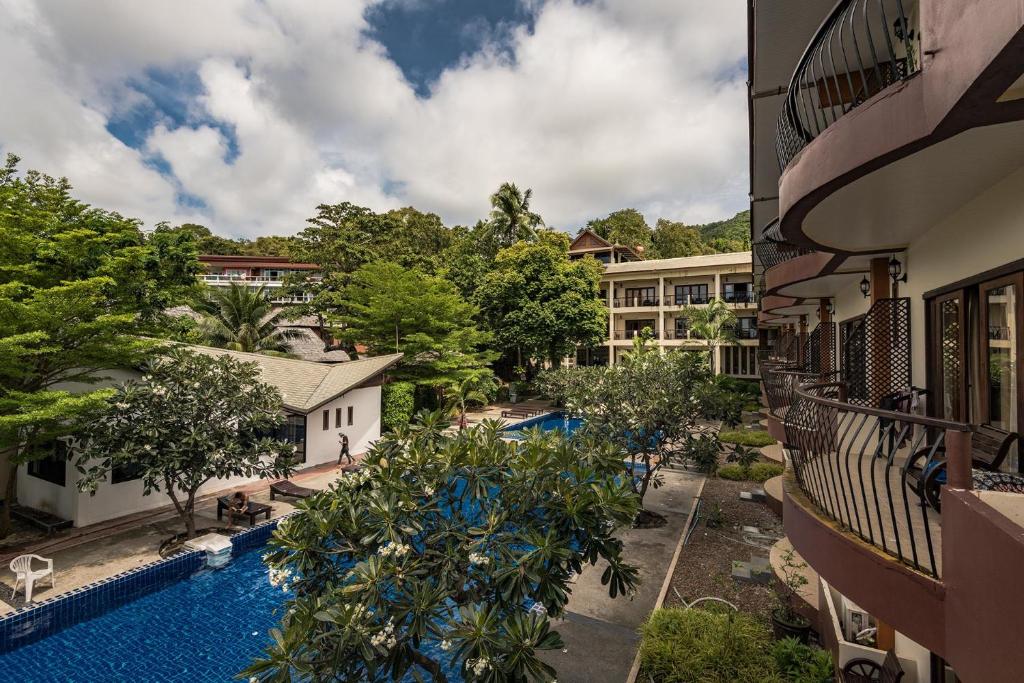
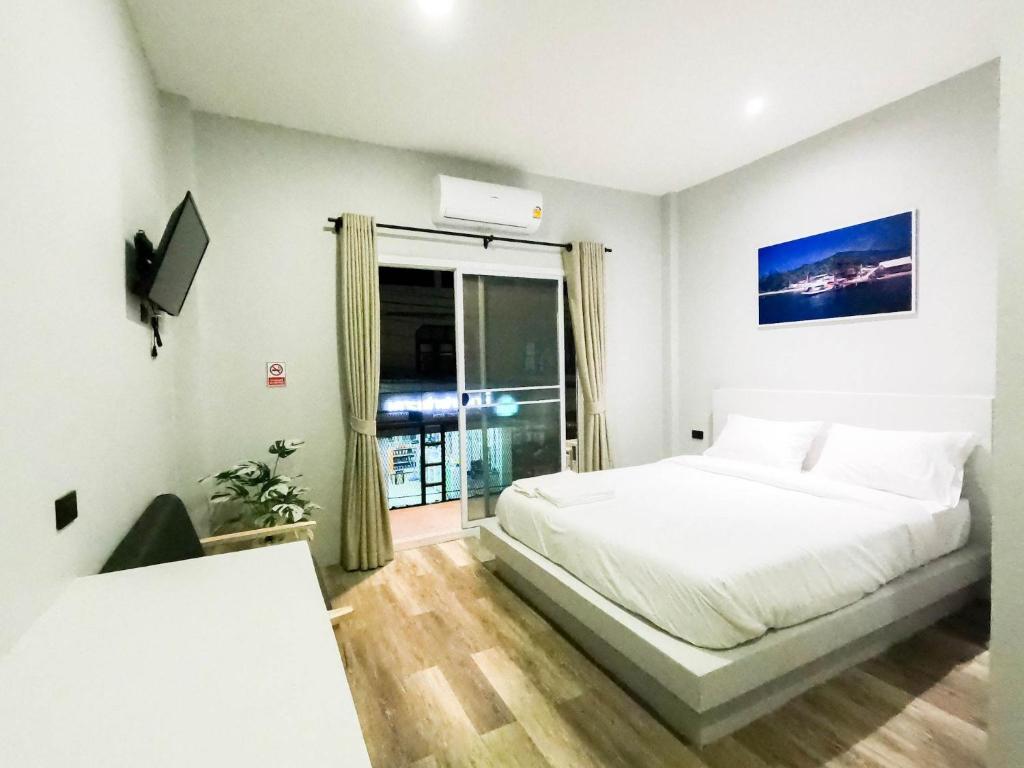
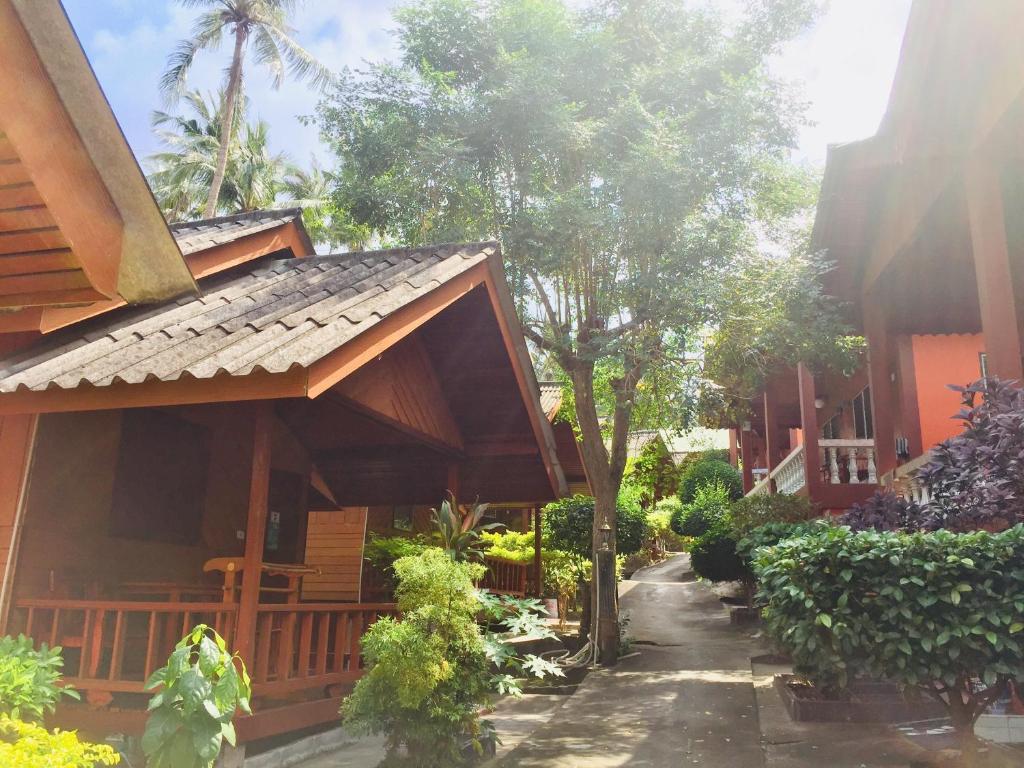
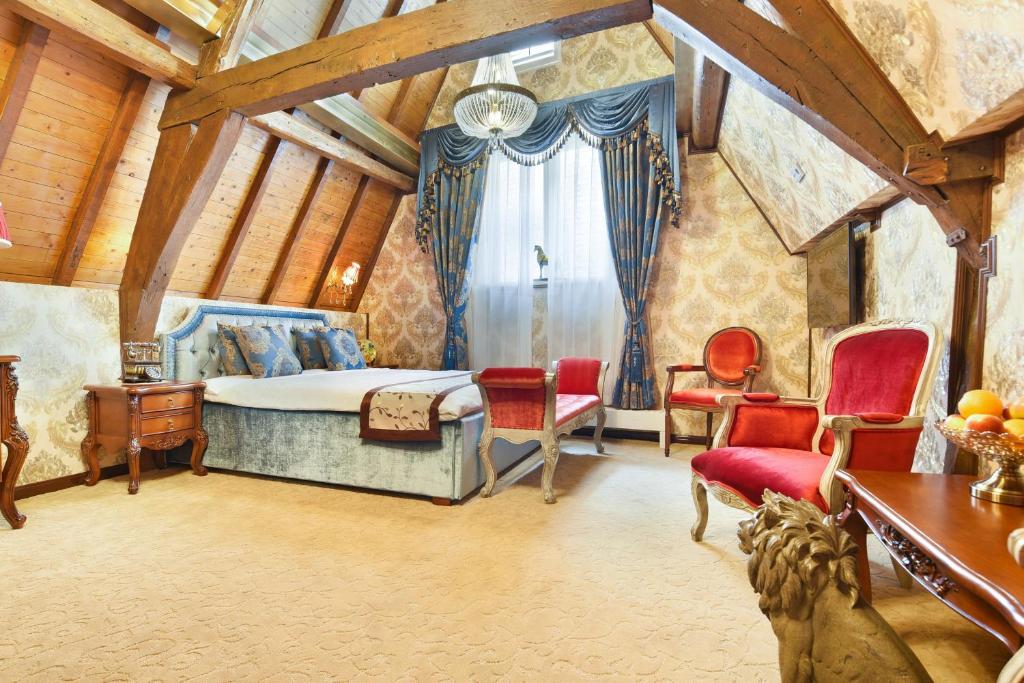
Aukotan Place Hotel
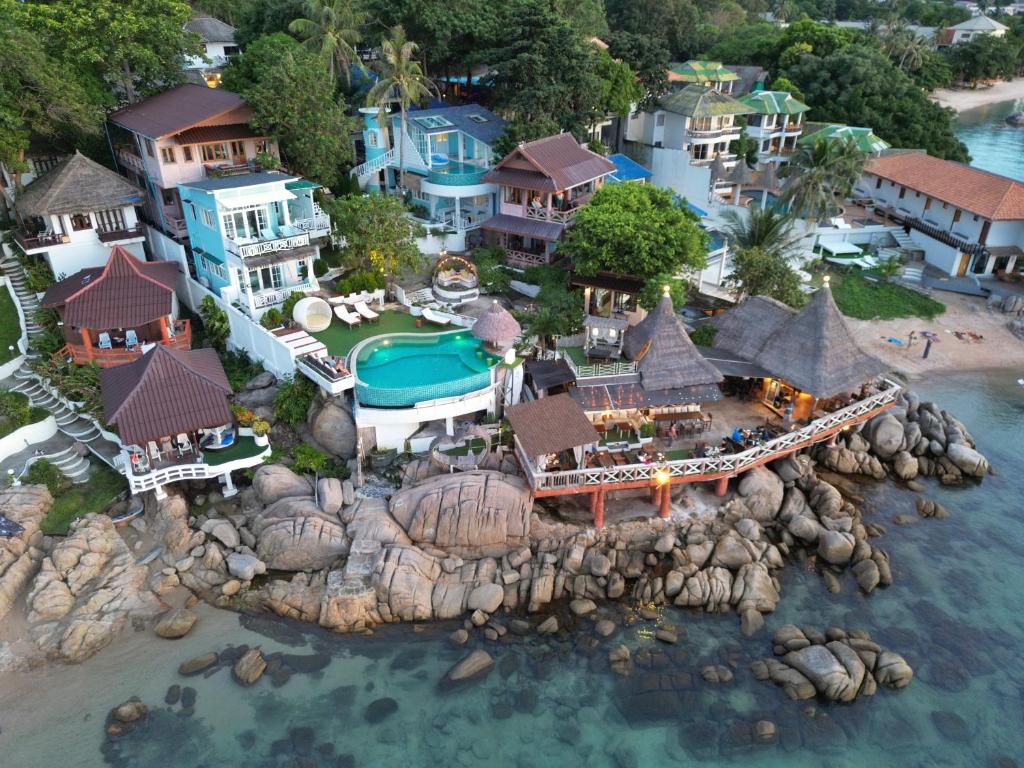
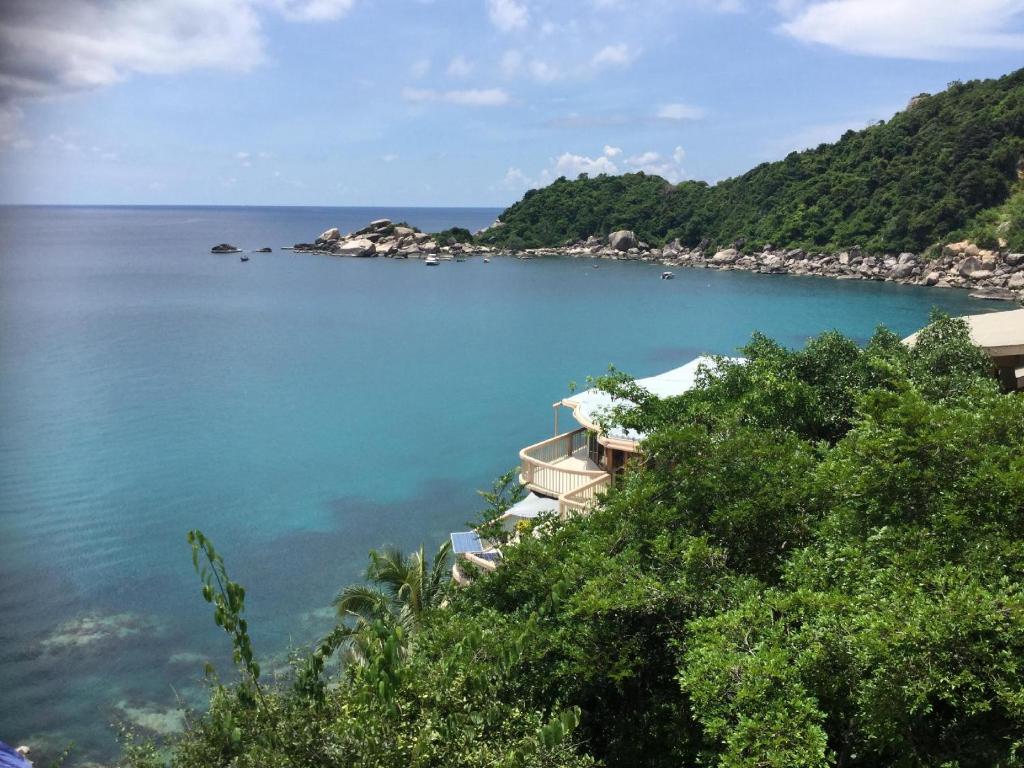
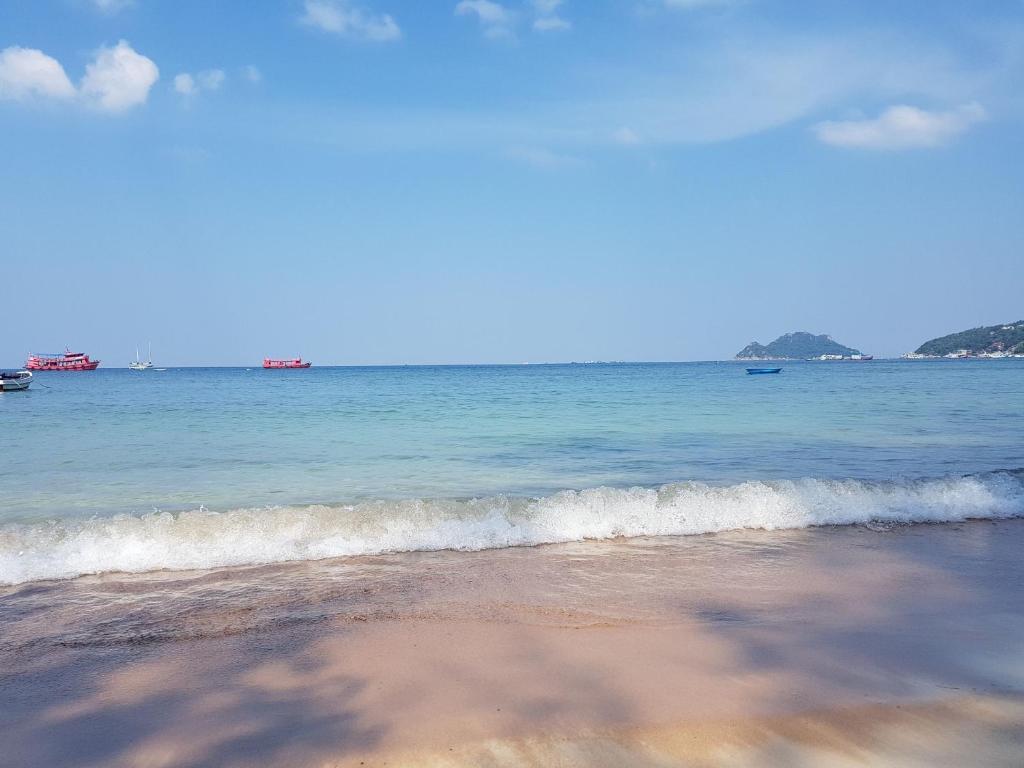
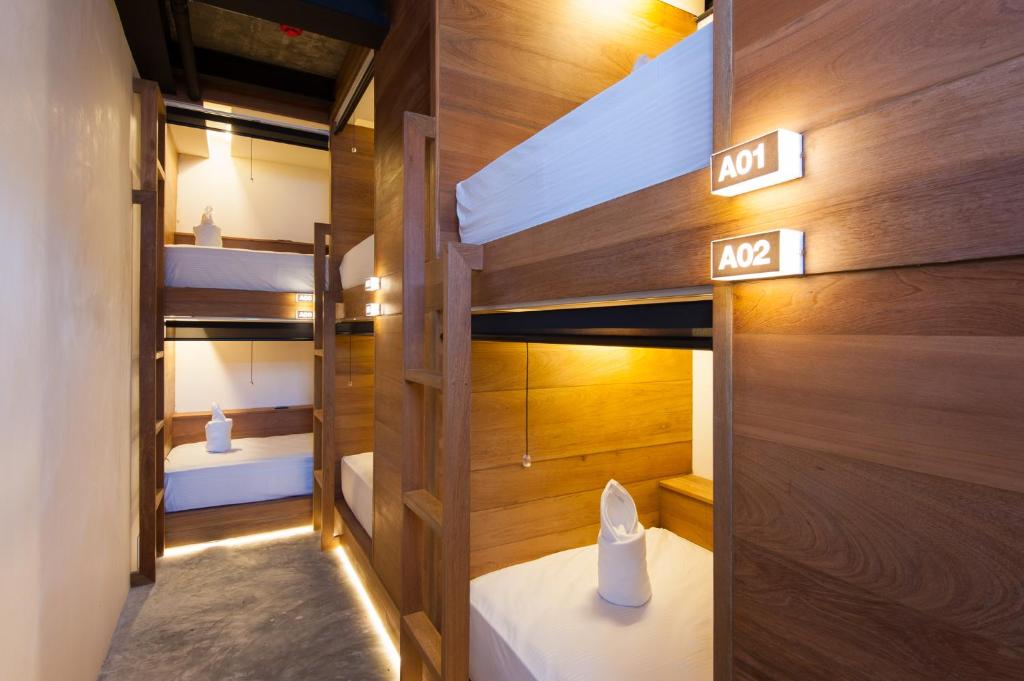
A practical base in the south of the island, with the pier run included
See today's offersKoh Tao is the smallest of the three inhabited islands in Thailand's Samui archipelago, a granite island in the Gulf of Thailand best known as one of the busiest places in the world to learn to scuba dive. Most visitors arrive by ferry at Mae Haad, and almost everything else is a short scooter or taxi ride from there.
The island packs a lot of variety into a small space: a long sandy beach with dive schools and bars on the west coast, a sheltered bay in the south, and steep, quiet coves in the east and north. Where you stay changes the feel of a trip more than the distance on the map suggests, because the roads between them are steep and some are rough.
39 hotels
Hotel in Chalok Baan Kao and the south
A practical base in the south of the island, with the pier run included
See today's offersVilla in Sairee Beach
Private terraces and kitchenettes on the hill east of Sairee
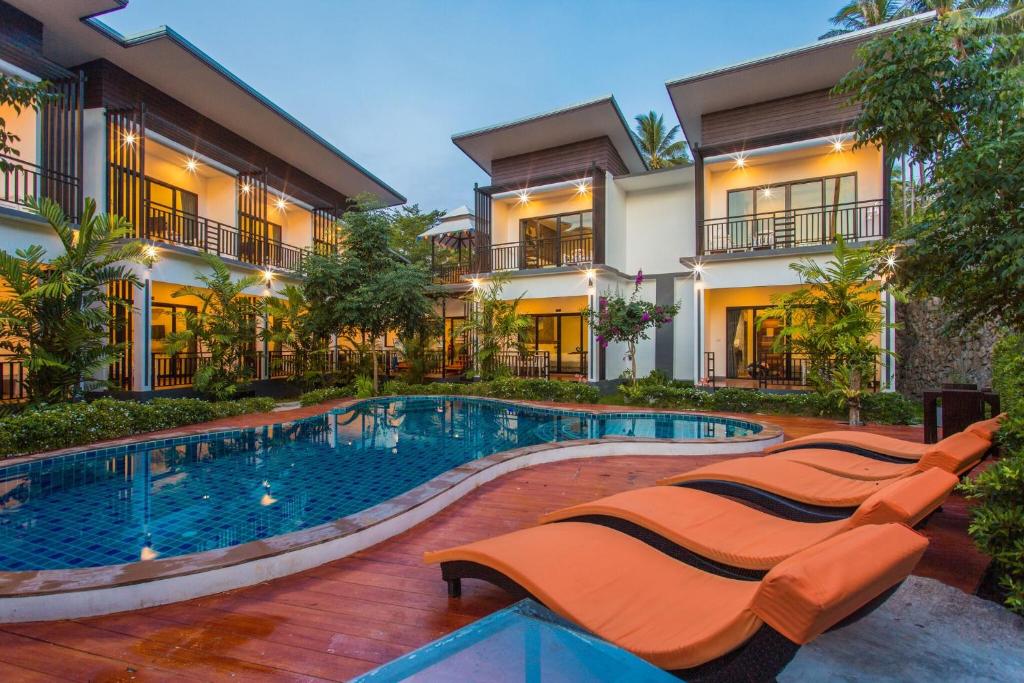
See today's offersResort in Chalok Baan Kao and the south
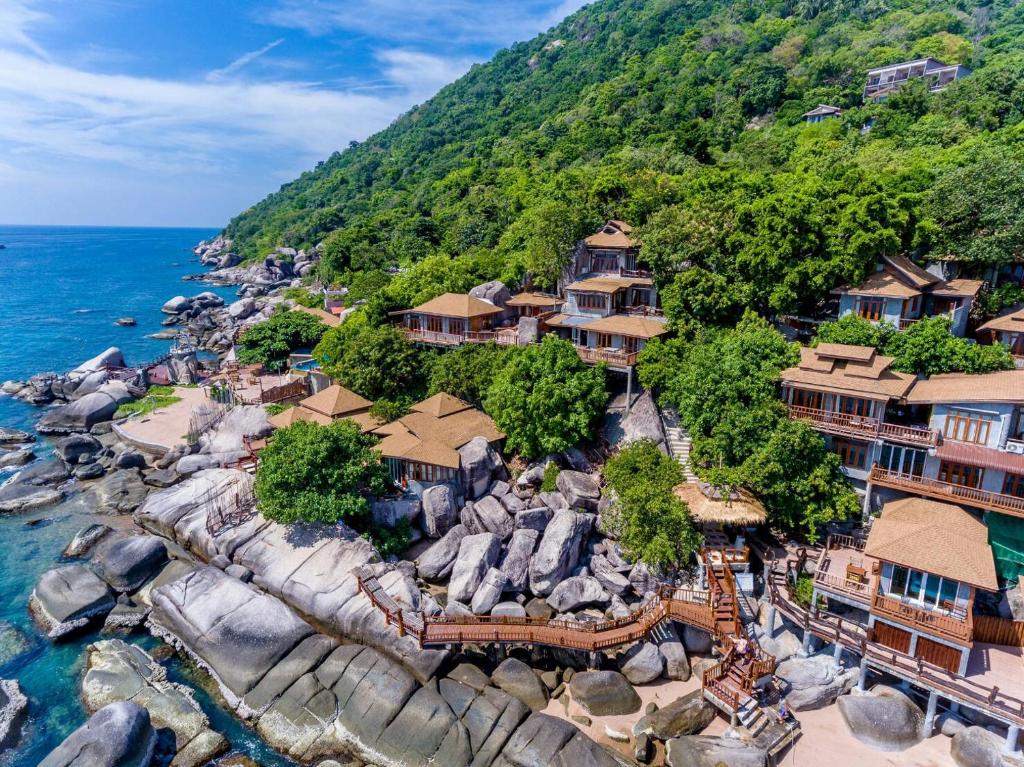
Sea-view balconies and its own patch of beach on Koh Tao's south coast
See today's offersGuesthouse in Chalok Baan Kao and the south
A garden stay with a shared kitchen and barbecue, near the south-coast beaches
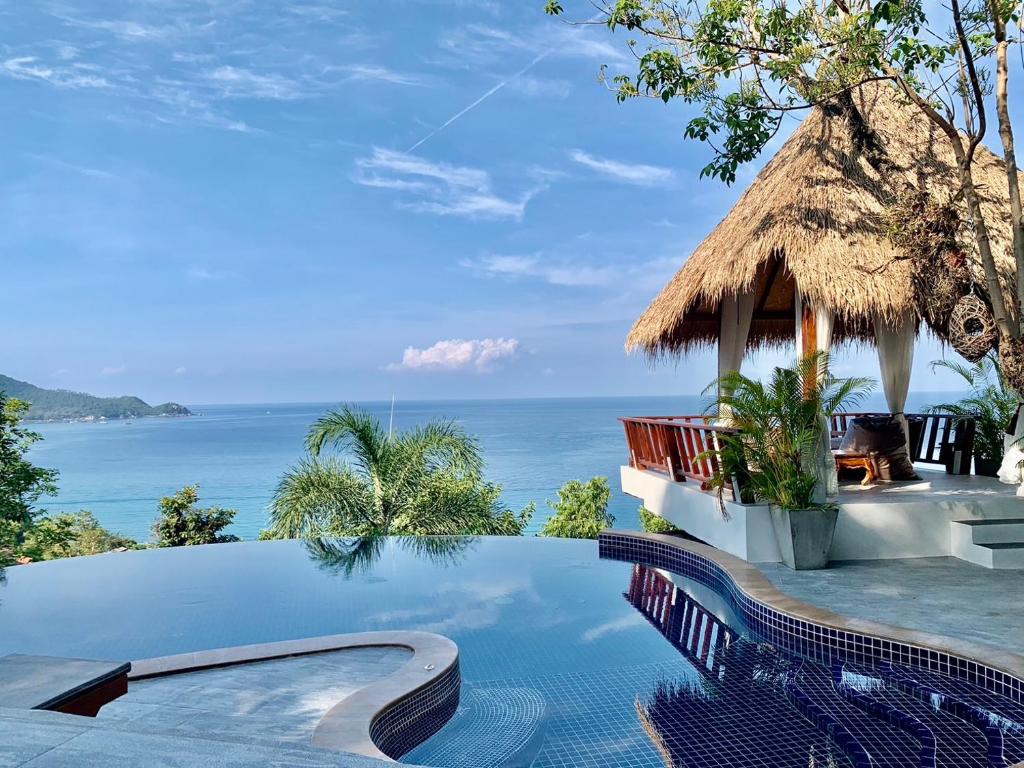
See today's offersResort in Chalok Baan Kao and the south
Balcony rooms and a view-filled pool just above Chalok Baan Kao bay
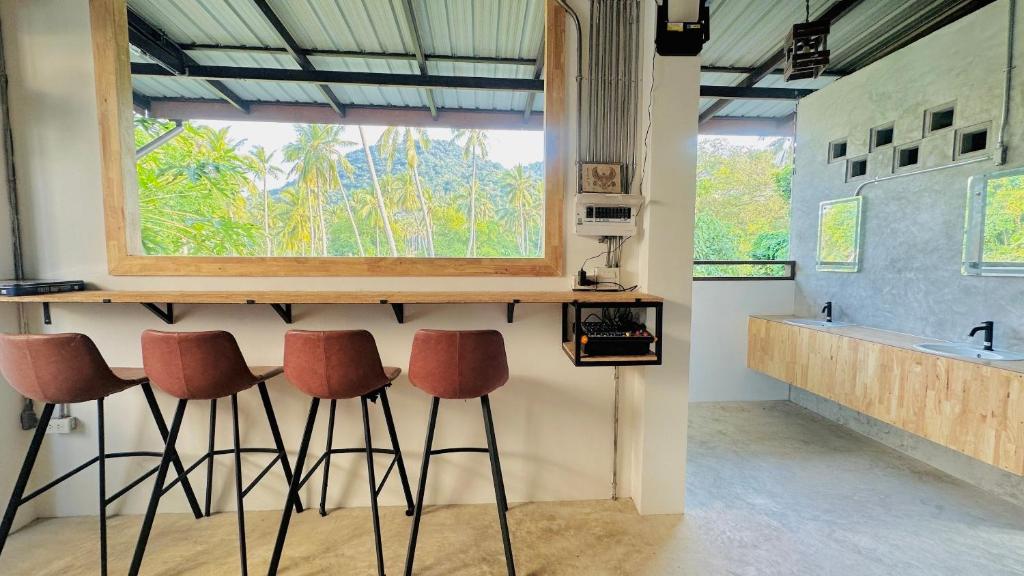
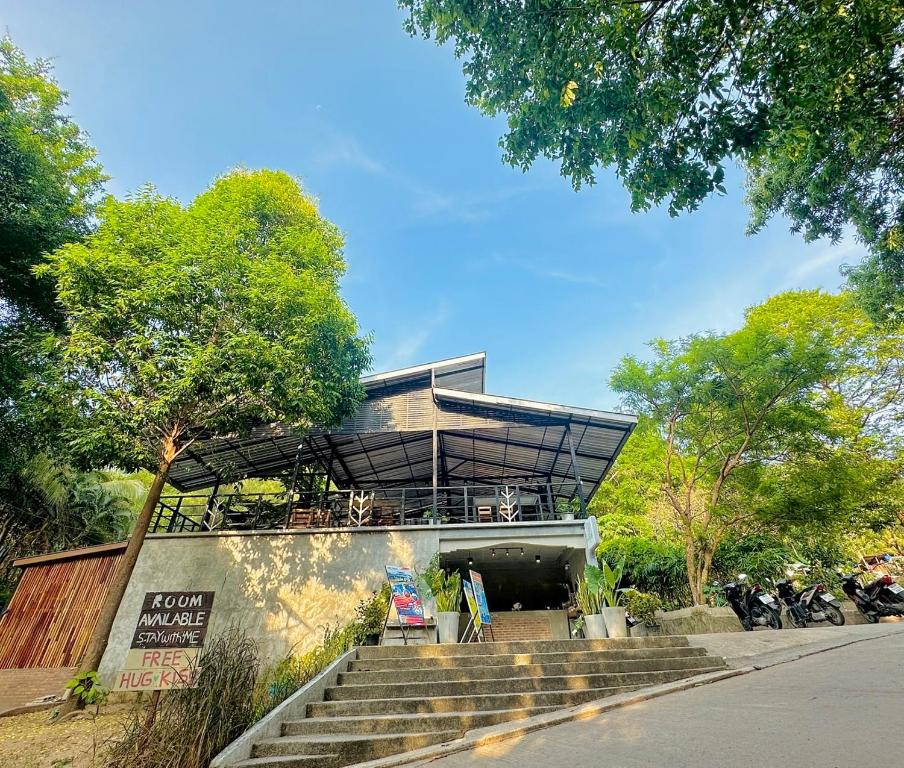
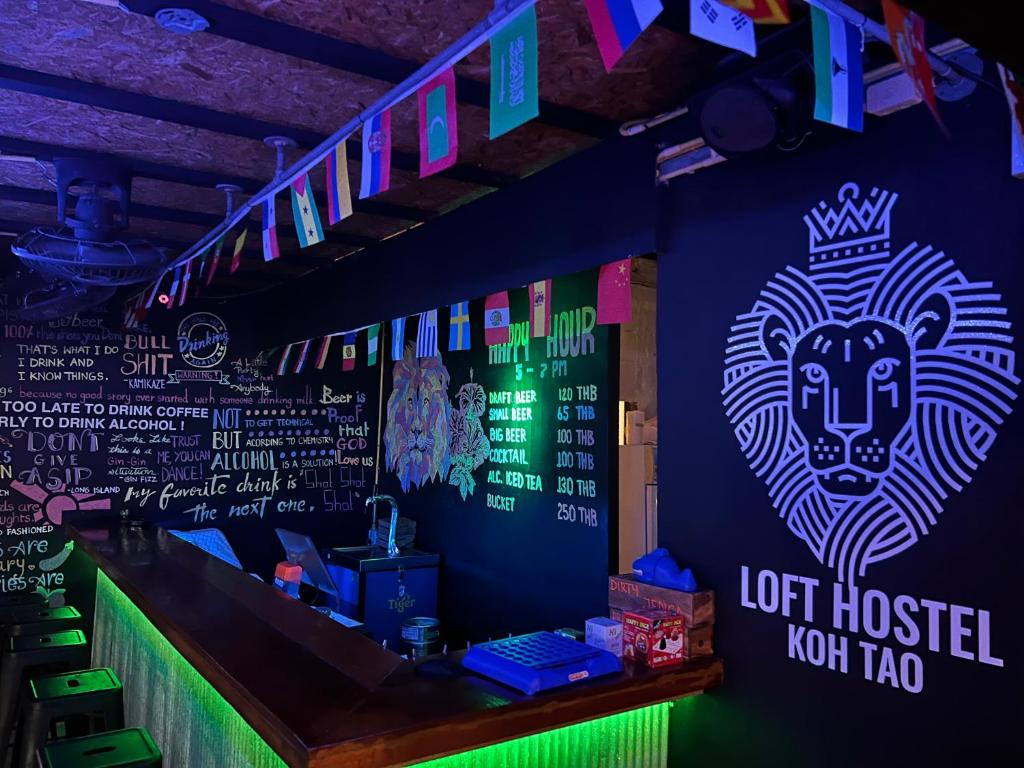
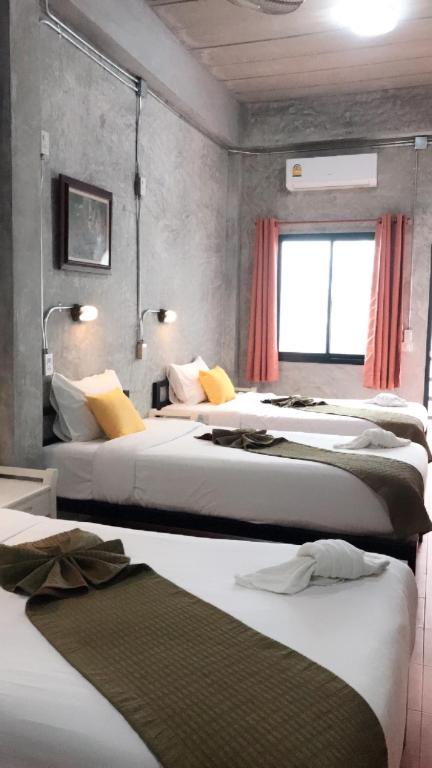
See today's offersHostel in Chalok Baan Kao and the south
A sociable hostel on the quieter south coast, with its own bar
See today's offersBungalows in Sairee Beach
Private bungalows with balconies over the bay at the southern end of Sairee
See today's offersHostel in Sairee Beach
Private bathrooms and a terrace, a few minutes' walk from the dive shops
See today's offersVilla in The north-west coast
Thai-style villas on the rocks, looking straight across to Koh Nang Yuan
See today's offersGuesthouse in Mae Haad
Good linen, a shared kitchen and a garden, a walk from the pier
See today's offersHotel in Sairee Beach
A Sairee hotel with a gym, for divers who want to keep training
See today's offersResort in Sairee Beach
A sun terrace and seaside dining, a short stroll from Sairee's sand
See today's offersApartments in The east-coast bays
A deliberately quiet east-coast hideaway for snorkellers and divers
See today's offersResort in Sairee Beach
Balcony rooms and a garden at the southern end of Sairee, five minutes on foot from the ferry
See today's offersHostel in Sairee Beach
Curtained bunks, a café-bar and Sairee Beach about 100 metres away
See today's offersResort in Mae Haad
A dive resort with its own training pool, three pools in all, on the beach near the pier
See today's offersHostel in Sairee Beach
Free bikes and cool rooms, a short walk from Sairee Beach
See today's offersHotel in The north-west coast
Canopy beds and a pool on the cliffs, facing the sunset
See today's offersResort in Sairee Beach
A calmer base on the hill behind Sairee, with kitchenettes for self-caterers
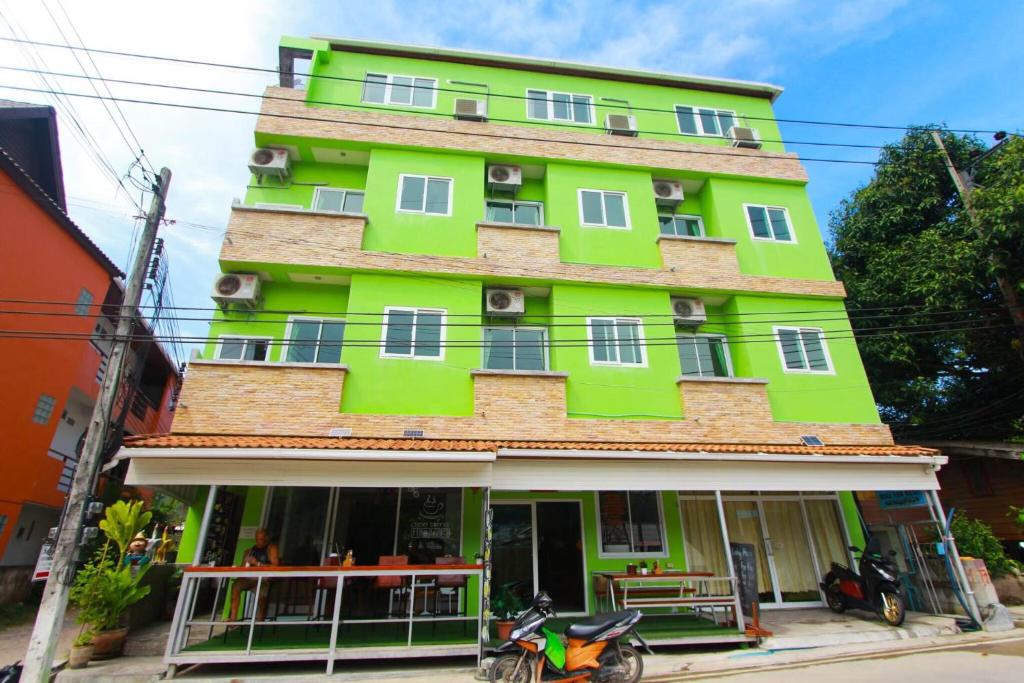
See today's offersHostel in Sairee Beach
A green, low-key hostel inland from Sairee, close to the island's trails
See today's offersHostel in Mae Haad
Dorm beds, a bar and a tour desk, right by the ferries
See today's offersHotel in Sairee Beach
A small hotel with its own restaurant in the Sairee lanes
See today's offersHostel in Mae Haad
A sociable hostel with a pool table and a green garden near the pier
See today's offersResort in The east-coast bays
Sea-view rooms on the island's sunrise side, far from the west-coast crowds
See today's offersGuesthouse in Mae Haad
Simple air-conditioned rooms a short walk from the ferries
See today's offersBungalows in Sairee Beach
Balcony bungalows in a garden, a minute or two from the sand
See today's offersBungalows in Chalok Baan Kao and the south
Bungalows on a small private beach in the south-west, facing the sunset
See today's offersHotel in Mae Haad
Modern rooms by the port, some with a kitchen big enough to cook properly
See today's offersBungalows in Sairee Beach
Bungalows among the trees at the quieter, northern end of Sairee
See today's offersResort in Mae Haad
Family-friendly garden rooms between the pier and Sairee
See today's offersHostel in Sairee Beach
A party-friendly hostel with a cooked breakfast, 200 metres from Sairee Beach
See today's offersGuesthouse in Sairee Beach
Balcony rooms in the middle of Sairee village, with help booking trips
See today's offersB&B in Sairee Beach
A family-friendly B&B in Sairee, with a play area and minimarket on site
See today's offersBungalows in Mae Haad
Quiet garden bungalows on the Jansom side of Mae Haad
See today's offersHotel in Chalok Baan Kao and the south
Mountain-view balconies and a garden pool, with a free shuttle to save on taxis
See today's offersHostel in Sairee Beach
Air-conditioned rooms with their own terraces, steps from Sairee Beach
See today's offersHostel in Mae Haad
An unusual address: a hostel in what the owners describe as a former prison, close to the ferries
See today's offersResort in Sairee Beach
A sea-facing pool and sunset dinners right on the sand at Sairee
See today's offersHotel in Sairee Beach
Balcony rooms and a spa, a stroll from Sairee Beach
See today's offersNo hotels match all of those filters. Remove a feature or choose another area to see more.
"Our order" puts hotels we have fully written up first. Commission doesn't affect the order.
Pick a base first. The west coast is busy and convenient; the south is calmer; the east and north trade convenience for quiet.
Best for beach days and nightlife
The island's longest beach, about 2 km of sand on the west coast, lined with dive schools, restaurants and beach bars. The sunsets face straight out to sea, and the lanes behind the beach hold most of the island's hostels and budget rooms. Rooms on the hillside above Sairee are quieter and often have views, but the roads up to them are steep.
Best for ferry connections
The village around the main pier, with banks, shops, restaurants and the ferry offices. It's practical rather than pretty, and handy if you arrive late or leave early. Sairee is a short walk north and Jansom and Sai Nuan bays are a short ride south-west.
Best for a calmer base with dive schools
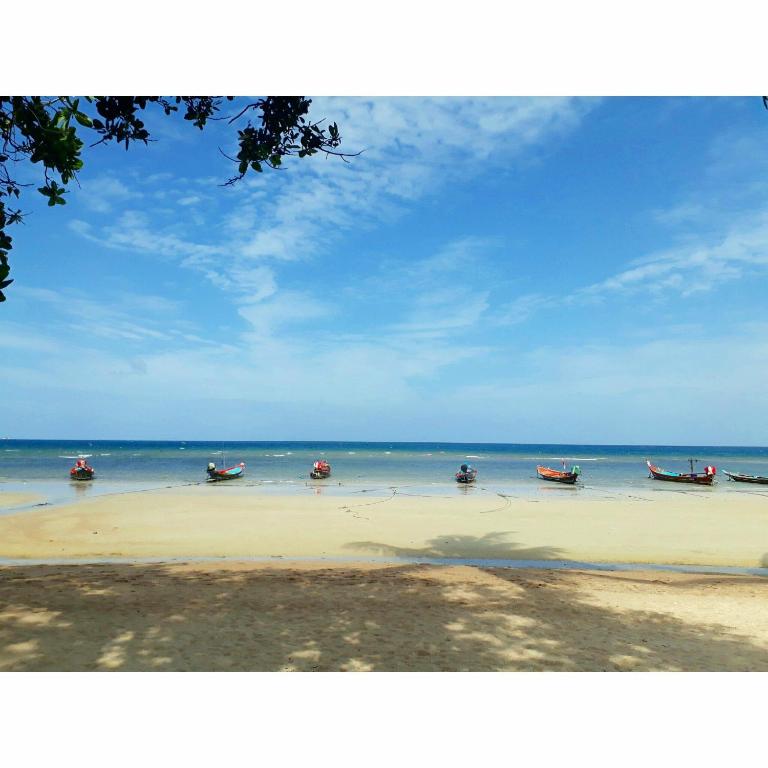
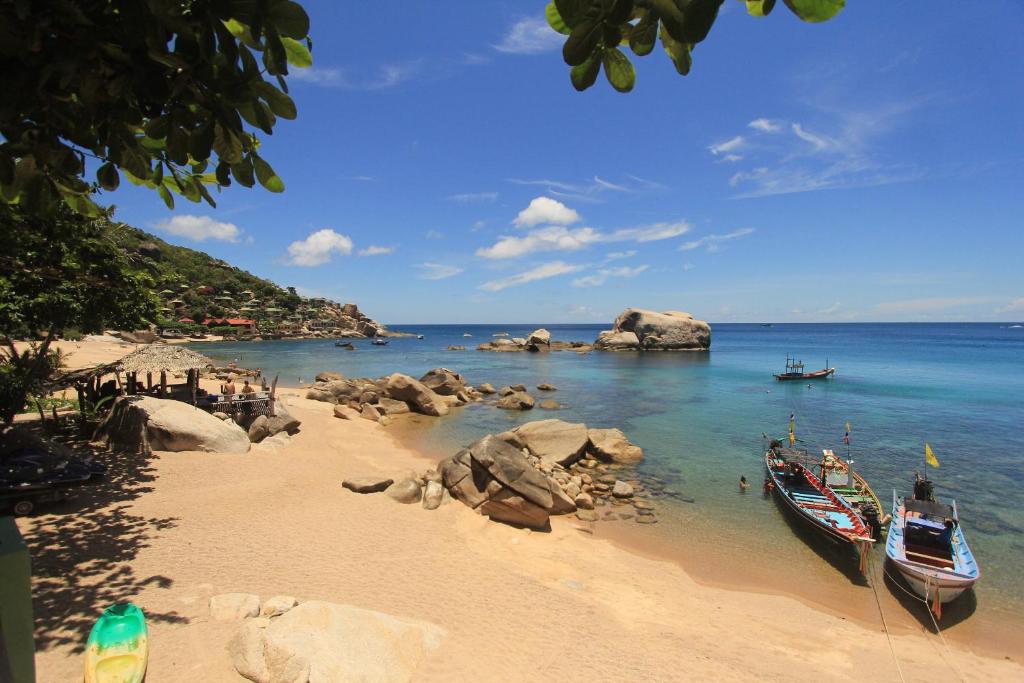
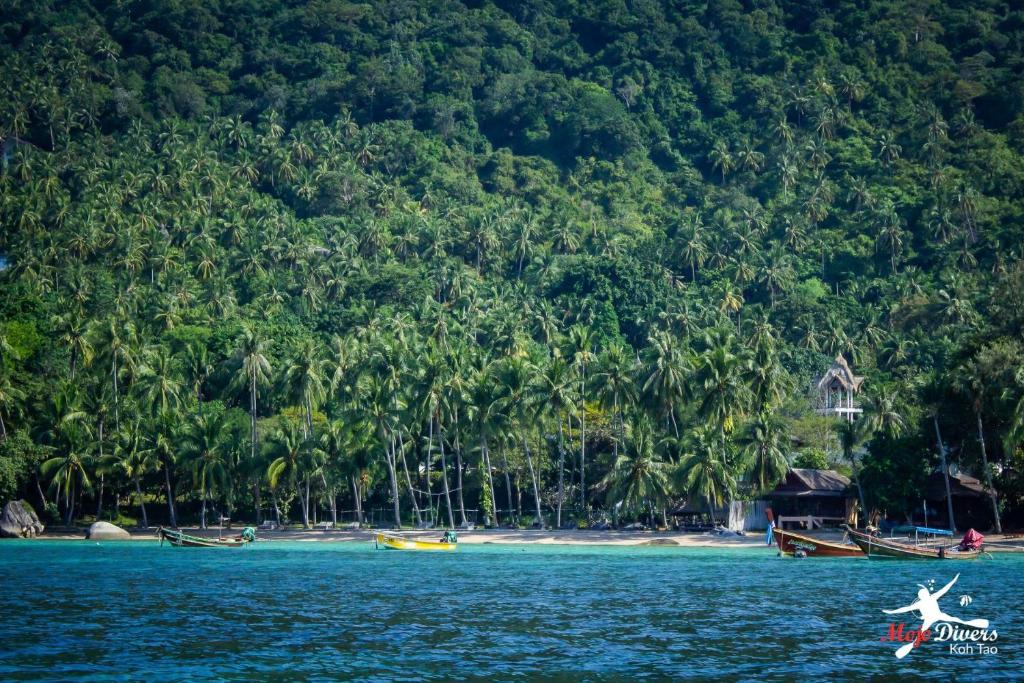
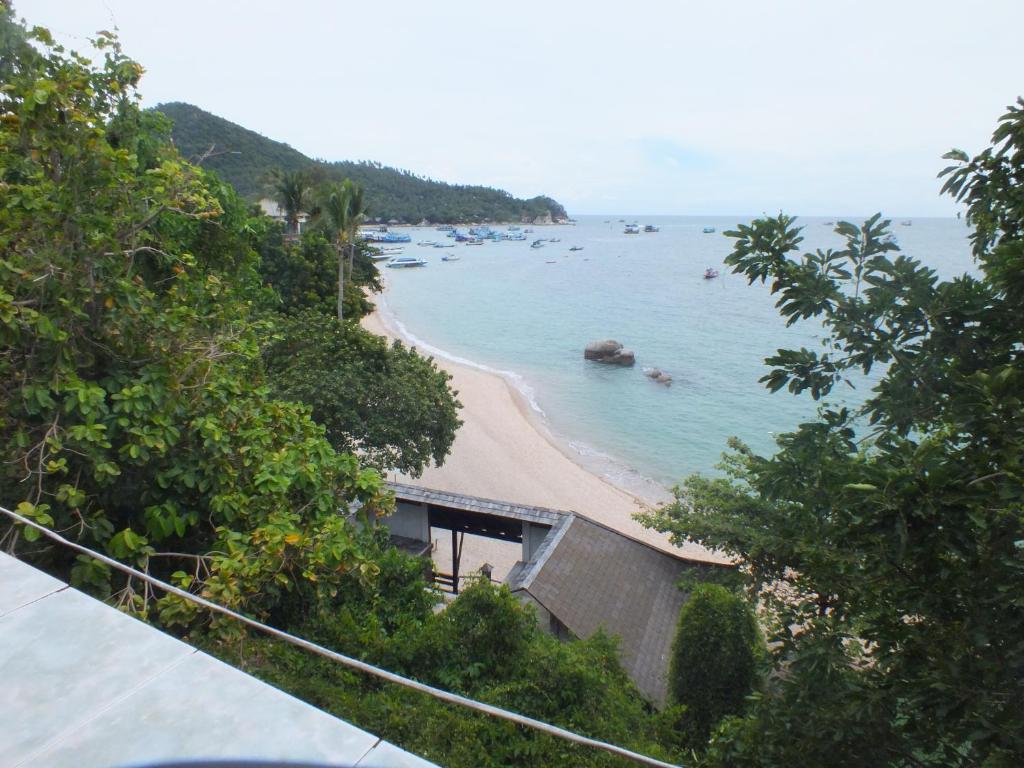
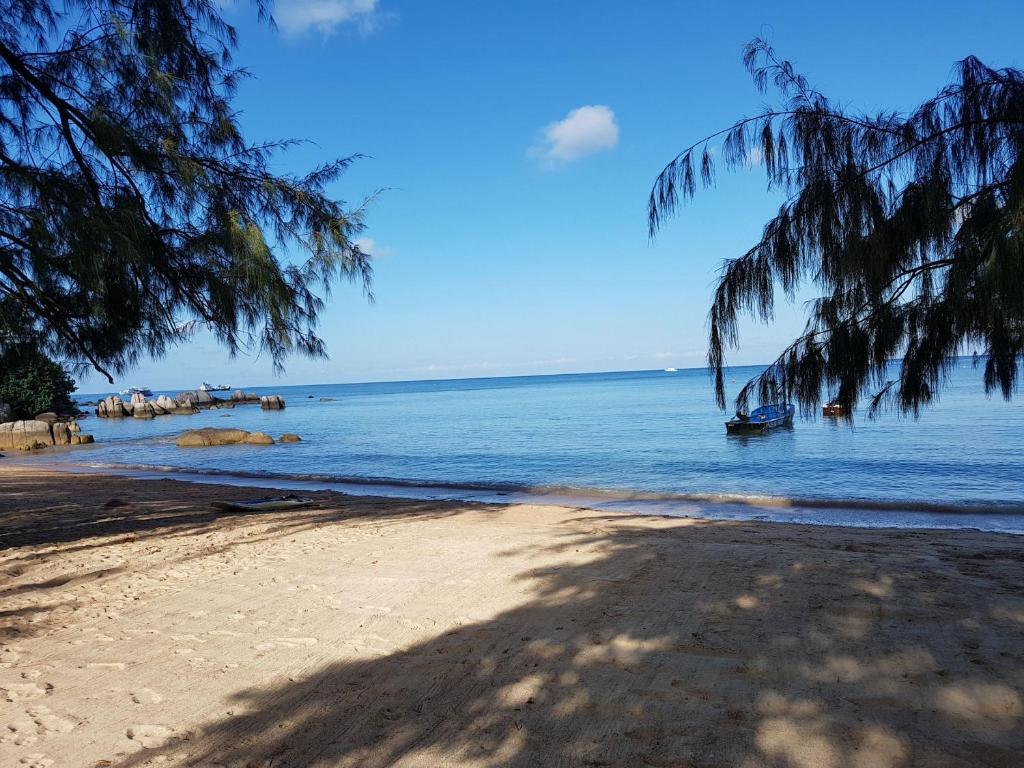
A sheltered bay on the south coast with its own cluster of dive schools, cafés and guesthouses, plus small beaches such as Freedom Beach and Shark Bay within walking or short riding distance. It's quieter than Sairee in the evenings, and the bay is shallow at low tide, so swimming is better at the neighbouring beaches.
Best for snorkelling and seclusion
Rocky coves such as Tanote Bay, Ao Leuk and Hin Wong face the sunrise and are known for snorkelling straight off the shore. They feel far from the busy west coast, but the access roads are steep and partly unpaved, so most guests rely on the hotel's transfers or a taxi rather than riding in after dark.
Best for views of Koh Nang Yuan
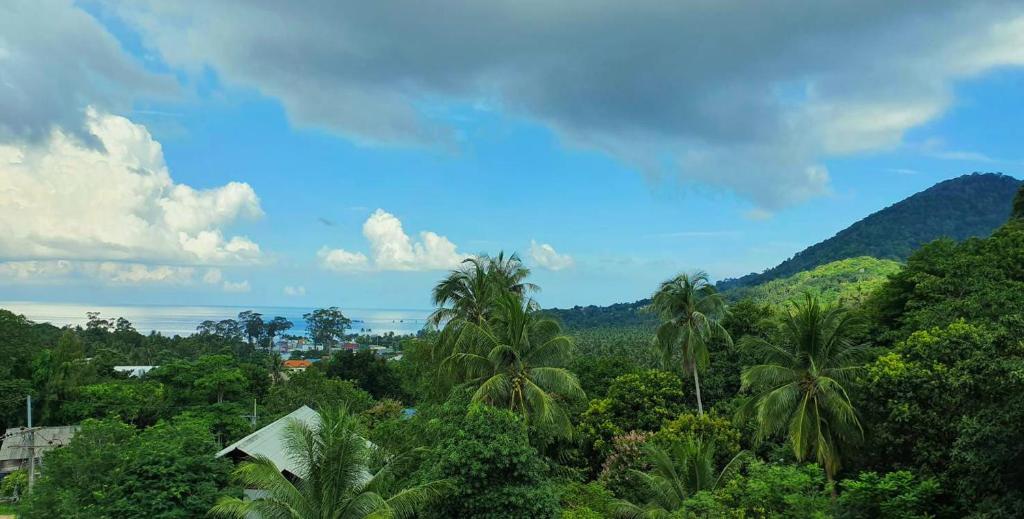
Past the northern end of Sairee the coast turns rocky, with a few resorts set on the slopes looking across to Koh Nang Yuan, the trio of islets joined by a sandbar. It's quiet and scenic, and Sairee's restaurants are a short ride away.
Sairee Beach suits most first-time visitors: it has the most places to eat, the most dive schools and a long swimmable beach, and Mae Haad pier is a short ride away.
By boat. Ferries and high-speed catamarans run from Chumphon on the mainland and from Koh Phangan and Koh Samui, arriving at Mae Haad pier. Journey times depend on the operator and the sea, so check the current timetable when you book.
Not if you stay in Sairee, Mae Haad or Chalok, which are linked by taxi pick-up trucks. The roads are steep and some are unpaved, so think twice about hiring a scooter if you haven't ridden one before.
No. Diving and snorkelling are the main draws, but plenty of visitors come for the beaches, the viewpoints and the boat trips to Koh Nang Yuan without ever going underwater.
The drier months are usually from around January to August. The Gulf islands tend to get most of their rain from about October to December, when seas can be rougher and some ferries are cancelled.