Guesthouse in The old town and night market
Apple Guesthouse
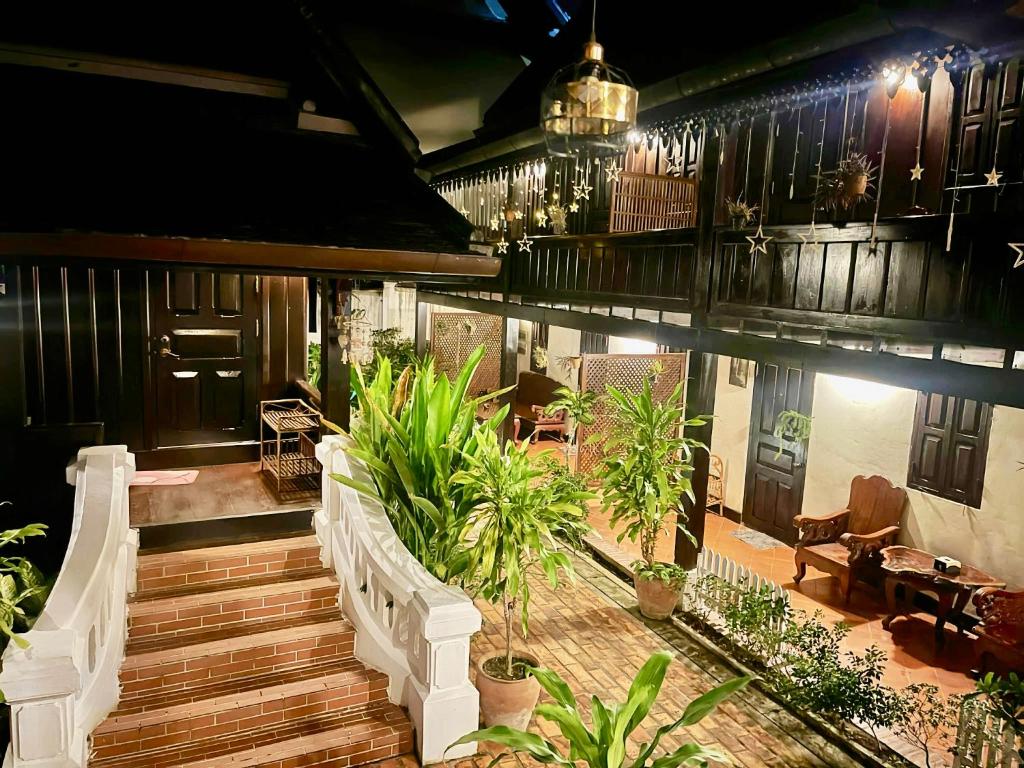
A quiet, traditional base for temple-hopping
See today's offersLuang Prabang, in northern Laos, is a former royal capital set on a peninsula where the Nam Khan river meets the Mekong. Its old town is a UNESCO World Heritage Site, known for gilded Buddhist temples, French colonial houses and a slow, gentle pace that's rare in the region's cities.
Most visitors stay in or near the old town, where you can walk almost everywhere: to the night market, up Mount Phousi for sunset, and to the dawn alms-giving procession of saffron-robed monks.
16 hotels
Guesthouse in The old town and night market
A quiet, traditional base for temple-hopping
See today's offersHotel in The old town and night market
Boutique rooms and a sunset terrace below Mount Phousi
See today's offersHotel in The Nam Khan side
River views and a garden, five minutes from the night market
See today's offersHotel in The old town and night market
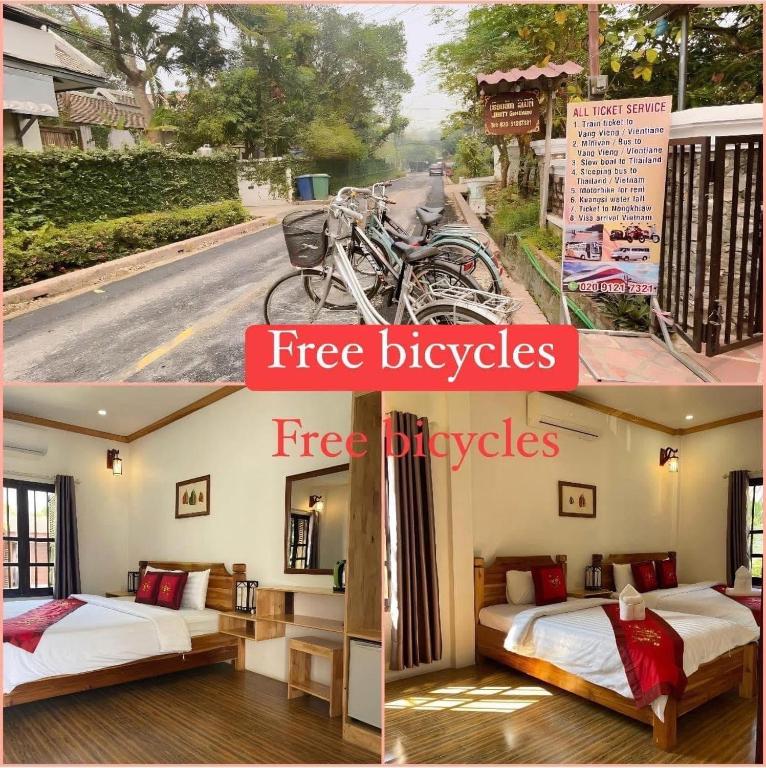
Free bikes for exploring the heritage town
See today's offersHotel in The old town and night market
Wake up to views of Mount Phousi
See today's offersHotel in Luang Prabang
A new pool hotel in the temple quarter south of Phousi
See today's offersHotel in The old town and night market
Quiet rooms and its own travel desk, a stroll from the night market
See today's offersHotel in The Mekong riverfront
Panoramic Mekong views, a stroll from the museum
See today's offersGuesthouse in The old town and night market
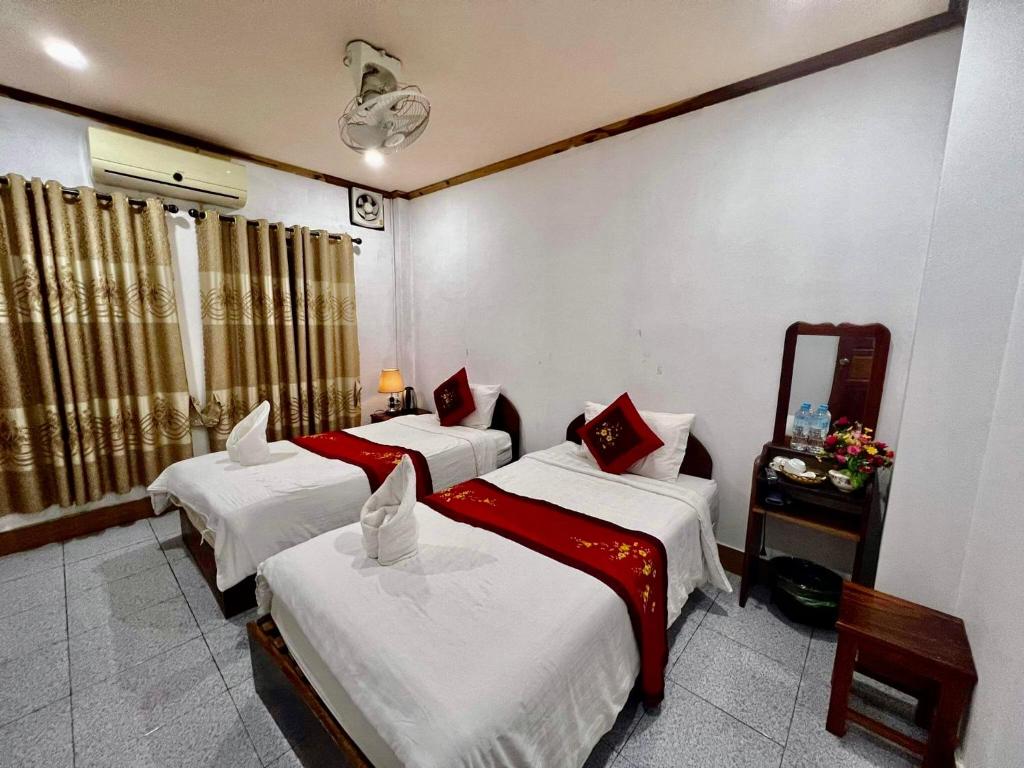
Air-conditioned rooms, fast Wi-Fi and pets welcome
See today's offersResort in The Mekong riverfront
A pool and gardens on the banks of the Mekong
See today's offersHotel in The old town and night market
A furnished patio for every room and breakfast included
See today's offersHotel in The old town and night market
Right in the middle of the old town
See today's offersHotel in The old town and night market
A spa and garden on the old town's main street
See today's offersHostel in The old town and night market
A pool, a bar and co-working, a short walk from the old town
See today's offersHotel in The old town and night market
Lao-style rooms right on Night Market Street
See today's offersGuesthouse in The old town and night market
A friendly house in a temple neighbourhood, a walk from the night market
See today's offersNo hotels match all of those filters. Remove a feature or choose another area to see more.
"Our order" puts hotels we have fully written up first. Commission doesn't affect the order.
The old town is small, so even the outlying areas are rarely more than a short tuk-tuk ride from the centre.
Best for first visits and sightseeing on foot
The heart of Luang Prabang runs along the peninsula's main street, where the night market sets up each evening below Mount Phousi. Temples such as Wat Xieng Thong, the former Royal Palace (now the National Museum) and dozens of cafés and guesthouses are all within walking distance. It's the most convenient place to stay, and the busiest.
Best for sunsets and river views
The road along the Mekong side of the peninsula is lined with restaurants and terraces looking across the wide brown river. Boat trips to the Pak Ou caves leave from here, and sunsets are spectacular. Areas a little further along the river are quieter and greener.
Best for a quieter stay close to the centre
On the other side of the peninsula, the smaller Nam Khan river is calmer, with bamboo bridges in the dry season and leafy guesthouses along its banks. The night market is a few minutes' walk away, but evenings are quieter.
Luang Prabang International Airport has flights from Bangkok, Hanoi, Vientiane and other regional hubs, and it's about ten minutes by car from the old town. The Laos-China Railway also runs trains to Vientiane via Vang Vieng, which have largely replaced the long bus journey. The slow boat along the Mekong from the Thai border at Huay Xai, usually over two days, is a classic overland route.
Mornings start early with the tak bat alms procession, which visitors are asked to watch quietly and respectfully from a distance. During the day there are temples to visit, the National Museum, cookery classes and boat trips to the Pak Ou caves. Kuang Si waterfall, with its turquoise pools, is about 45 minutes away by road.
In the evening, climb Mount Phousi for sunset, browse the handicraft stalls at the night market and eat at one of the riverfront restaurants.
The cool, dry season from about November to February is the most comfortable and the most popular. March to May gets hot and hazy, while the rainy season, roughly June to October, brings green countryside, fuller waterfalls and fewer visitors.
The old town, between the night market and the Mekong, is the most convenient for a first visit. The Nam Khan side is a little quieter while still close to the centre.
By taxi or tuk-tuk; it usually takes around ten to fifteen minutes.
Three days is enough for the temples, Mount Phousi, the night market and a trip to Kuang Si waterfall. Many people stay longer for the relaxed pace.
Tak bat is a daily dawn procession in which monks collect offerings of food. Visitors are welcome to watch, but should keep their distance, dress modestly and avoid flash photography.